






- Who is Captec Group?
Who we are
About Us Overview
Our commitments
SUSTAINABILITY
Who we are
People
Who we are
Strategic & Goals
Who we are
COMPLIANCE
Who we are
Investor Relations

The journey of gambling tracing its historical evolution and impact
The journey of gambling can be traced back to ancient civilizations, where it often served both recreational and ritualistic purposes. Archaeological evidence suggests that as early as 3000 BC, the Chinese used rudimentary games of chance, including dice made from animal bones. Similarly, the Romans engaged in various gambling activities, from betting on chariot races to dice games during public festivities. These early forms of gambling not only entertained but also acted as a means of social interaction, reflecting cultural values and beliefs. As players today might discover on CasinoWays, this cultural significance continues in many forms.

In ancient Egypt, gambling took on a more structured form with board games that incorporated elements of chance and strategy. Games such as Senet and Mehen were played by the elite and depicted in tomb paintings, hinting at their significance in both leisure and the afterlife. These activities laid the groundwork for modern gambling, illustrating how deeply ingrained the concept of chance was in human history and its evolving nature through different cultures.
The introduction of gambling into religious practices also marked its historical evolution. In many ancient cultures, games of chance were believed to hold divine significance, with outcomes viewed as messages from the gods. This intertwining of gambling with spirituality influenced societal acceptance and the perception of luck, setting the stage for gambling’s acceptance in various social strata throughout history.
During the Middle Ages, gambling underwent significant transformation, especially in Europe. The establishment of formal gambling houses and the emergence of card games marked this period as one where gambling began to shift from informal practices to more structured and regulated forms. The popularity of playing cards, which originated in Asia, spread across Europe, leading to numerous variations that fueled social interactions in courts and among the nobility.
Moreover, this era saw the introduction of lotteries, initially used to fund public projects and charitable causes. Governments recognized the potential of lotteries as a means to raise revenue without imposing additional taxes. These early lotteries laid the foundation for organized gambling, showcasing how economic influences intertwined with recreational activities. The social implications of gambling also became more pronounced, as it began to be viewed as both a vice and a means of social mobility.
The impact of gambling during the Middle Ages extended beyond entertainment; it influenced literature and art. Many writers and artists of the time reflected on the moral dilemmas associated with gambling in their works. This cultural commentary highlighted the societal struggles and debates regarding gambling, which would continue to evolve in subsequent centuries.
The 18th and 19th centuries marked the rise of modern gambling, characterized by the establishment of casinos and formal betting establishments. The first official casino opened in Venice in 1638, but it was during the 18th century that casinos became more prevalent in cities like Paris and Monaco. These venues provided a regulated environment for gambling, drawing in affluent patrons and establishing a glamorous reputation around the activity.
During this period, gambling also became increasingly linked to the burgeoning industrial revolution. The introduction of new technologies, such as the printing press, allowed for wider dissemination of gambling-related information, including betting odds and strategies. The establishment of horse racing as a popular form of betting also emerged during this time, creating a culture of wagering that involved both spectators and participants, fueling excitement across social classes.
This era of gambling marked a significant cultural shift as it transitioned from being an underground activity to a mainstream pastime. The rise of public perception of gambling as a legitimate form of entertainment helped in solidifying its role in society. Yet, it also led to growing concerns about addiction and social consequences, prompting discussions on regulation and responsible gambling practices, setting the stage for future legislation.
The 20th century witnessed dramatic changes in the landscape of gambling, driven by technological advancements and shifts in cultural attitudes. The legalization of gambling in various jurisdictions reflected evolving societal norms. The establishment of Las Vegas as a gambling hub in the mid-20th century epitomized the cultural acceptance of gambling, merging entertainment with high stakes and lavish experiences.
Television and later the internet revolutionized how people engaged with gambling. Television broadcasts of sporting events and poker tournaments drew large audiences, turning gambling into a spectator sport. Furthermore, the advent of online gambling platforms in the late 1990s democratized access to gambling, allowing people to place bets from the comfort of their homes, reshaping traditional notions of gambling establishments.
The cultural impact of gambling throughout the 20th century has been profound. It has influenced everything from fashion to music, contributing to a lifestyle that embraces risk and the thrill of chance. However, this newfound visibility also brought about the need for responsible gambling initiatives, as the potential for addiction and financial ruin became increasingly recognized. The balance between enjoyment and risk continues to be a focal point in contemporary discussions about gambling.
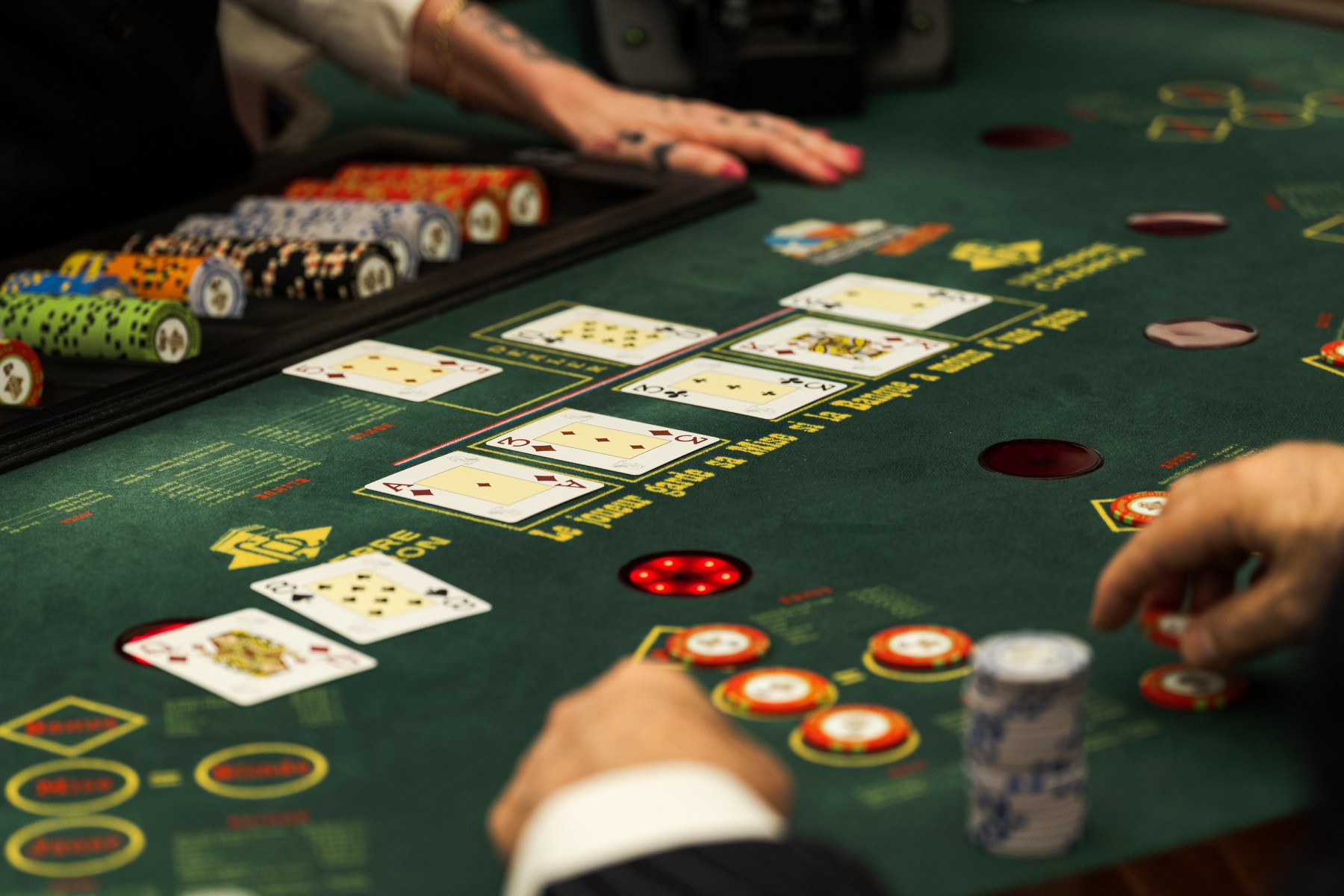
In today’s digital age, platforms like CasinoWays play a significant role in shaping the modern gambling experience. Catering specifically to British players, CasinoWays offers a vast selection of over 5,000 games, including an array of slots and live dealer options. The site not only provides thrilling gaming opportunities but also ensures a safe and regulated environment under UK Gambling Commission licensing, emphasizing the importance of responsible gambling.
CasinoWays stands out by offering generous welcome bonuses, allowing players to explore its extensive gaming catalog with added incentives. The combination of traditional casino games and innovative digital experiences reflects the evolution of gambling in a contemporary context. Additionally, accommodating various payment options, including cryptocurrency, aligns with current trends and player preferences.
Customer support is another critical aspect of the CasinoWays experience, with 24/7 assistance available to address any inquiries or concerns. This level of service enhances user confidence, further promoting a positive gambling environment. As gambling continues to evolve, platforms like CasinoWays will undoubtedly play a pivotal role in ensuring that players can enjoy their experiences responsibly and within a regulated framework.