






- Who is Captec Group?
Who we are
About Us Overview
Our commitments
SUSTAINABILITY
Who we are
People
Who we are
Strategic & Goals
Who we are
COMPLIANCE
Who we are
Investor Relations

The cultural impact of casinos exploring their significance in society
Casinos have evolved significantly over the centuries, transforming from simple gaming houses in ancient civilizations to sprawling entertainment complexes today. The earliest known gambling activities can be traced back to the Chinese Han Dynasty, where rudimentary games of chance were popular. Over time, various cultures adopted gambling, each adding unique elements and practices that reflected their societal values. Today, platforms like csgoroll illustrate how digital gaming continues this tradition, merging technology with classic gaming experiences.
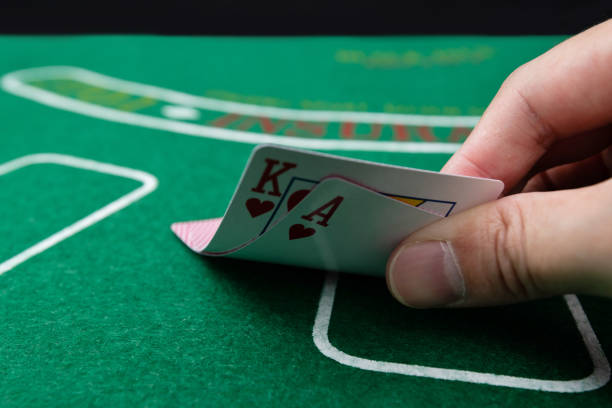
The modern casino as we know it began to take shape in 17th-century Italy, where the first official gambling house opened. This establishment laid the groundwork for the grand casinos of Monte Carlo and Las Vegas. These historical developments not only marked a shift in how gambling was perceived but also highlighted its place as a social activity, often linked with leisure and luxury.
In many societies, casinos serve as vibrant social hubs, attracting diverse groups of people. They are venues where individuals come together, often fostering a sense of community through shared experiences. Whether it’s the thrill of the game, the ambiance of the setting, or the allure of potential winnings, casinos create an environment where social interactions flourish.
This social aspect extends beyond mere gaming. Casinos often host live entertainment, fine dining, and various events, which enhances their role as multifaceted entertainment centers. Such offerings encourage not just gambling but also social bonding and cultural exchange among patrons, further solidifying their significance in contemporary society.
The economic implications of casinos extend far beyond their immediate operations. They contribute significantly to local economies through job creation, tourism, and tax revenues. Casinos often provide thousands of jobs in various capacities, ranging from hospitality to management, thus supporting families and communities.
Moreover, the presence of a casino can stimulate other local businesses, such as restaurants, hotels, and retail shops, creating a thriving ecosystem. This interconnectedness demonstrates how casinos can act as catalysts for economic growth, making their presence valuable not just for entertainment, but also for financial stability in the regions they inhabit.
Despite their positive aspects, casinos also face numerous challenges and controversies. One of the primary concerns is problem gambling, which can lead to significant social and personal issues. The accessibility and promotion of gambling can sometimes overshadow the potential risks, sparking debates about responsible gaming and the ethics of gambling practices.
Additionally, the impact of casinos on crime rates has been a topic of discussion. Critics argue that casinos can attract criminal activity, such as money laundering and gambling-related offenses. As society grapples with these complexities, it becomes essential to balance the economic benefits against the potential social costs associated with gambling.

The future of gambling is poised to undergo transformative changes, influenced by technology and evolving societal norms. With the rise of online casinos and mobile gaming, traditional establishments are being challenged to adapt to a more digital landscape. This shift not only enhances accessibility but also introduces new avenues for player engagement and interaction.
Moreover, the integration of virtual reality and augmented reality in gaming is likely to redefine the casino experience. As these technologies develop, they promise to create immersive environments that could attract a new generation of gamers, further impacting the cultural significance of casinos in society. As we look ahead, the interplay between innovation and tradition will shape the future trajectory of gambling.