
Understanding the psychology behind gambling What drives players to risk it all
The psychology of gambling is deeply intertwined with the human desire for risk and reward. This allure often stems from the thrill associated with potential winnings. Players experience a rush of excitement, imagining what they could do with their winnings. This anticipation can lead to a heightened emotional state, making the act of gambling not just about money, but also about the excitement and adrenaline it provides. The idea of risk can be enticing, leading individuals to seek out experiences that challenge their comfort zones. Additionally, while exploring various platforms, many individuals might find themselves captivated by Zodiac Casino, known for its engaging offerings.

Moreover, the gambling environment is designed to amplify this psychological thrill. Bright lights, sounds of victory, and the presence of other excited players create an atmosphere that enhances the desire to participate. The social aspect of gambling often draws players in, as they share the highs and lows of the experience with others. This communal experience can make it even more compelling to take risks, as individuals become part of a larger narrative, feeling a sense of belonging and excitement.
Additionally, the potential for substantial financial gain can cloud judgment. Many players believe they have a unique strategy or insight that will lead them to win big. This belief can be fueled by anecdotal evidence of other players who have struck it rich. The idea that “next time” might be the winning time can perpetuate the cycle of risk-taking, driving players to gamble even when they might be better off walking away.
Technology has significantly transformed the landscape of gambling, making it more accessible and engaging than ever before. With the rise of online casinos and mobile gaming, players can gamble from the comfort of their homes or while on the go. This convenience has led to an increase in gambling participation, as individuals no longer need to visit physical locations. The ease of access means players can quickly dive into games, often leading to impulsive decisions fueled by the instant gratification technology provides.
Moreover, technology introduces innovative features such as live dealer games and immersive graphics that enhance the gaming experience. These advancements create a more realistic environment, mimicking the atmosphere of traditional casinos. As players engage with these sophisticated platforms, their emotional connection to the game intensifies, making them more likely to gamble larger amounts. This emotional engagement can blur the lines between entertainment and compulsion, contributing to a growing number of individuals who gamble more frequently.
In addition to immersive experiences, technology enables personalized gaming experiences through data analytics. Online platforms can track user behavior, tailoring promotions and games to individual preferences. This customization can create a sense of loyalty and attachment to a specific platform, encouraging players to gamble more frequently. Players may feel as though the platform understands their desires, which can further enhance their gambling experience and increase their likelihood of taking risks.
Cognitive biases play a critical role in gambling behavior, influencing how players perceive their chances of winning. One common bias is the illusion of control, where individuals believe they can influence the outcome of a game through skill or strategy, even in games of chance. This belief can lead to increased gambling activity, as players feel empowered to take risks based on their perceived abilities.
Another significant bias is the gambler’s fallacy, which leads players to believe that past events affect future outcomes. For example, if a player experiences a series of losses, they may feel that a win is imminent, prompting them to increase their bets. This misinterpretation of probability can lead to reckless decisions, as players chase losses in the hope of a turnaround. Understanding these cognitive biases is essential for recognizing the psychological traps that can lead to problematic gambling behaviors.
Additionally, confirmation bias can further entrench gambling behaviors. Players may focus on their successes while overlooking their losses, reinforcing the belief that they are more skilled than they truly are. This selective memory can create a cycle of gambling where individuals continue to participate, driven by a distorted understanding of their actual odds. Addressing these cognitive biases is crucial for developing a healthier perspective on gambling and making informed decisions.
The emotional landscape of gambling is complex, often driving individuals to play despite the risks. Many players engage in gambling as a means of escaping everyday stresses or personal challenges. The thrill of the game can provide a temporary relief from emotional pain, creating a cycle where individuals use gambling as a coping mechanism. This emotional connection can make it difficult for individuals to recognize when their gambling habits are becoming problematic.
Moreover, the social dynamics of gambling can amplify emotional responses. Winning can generate feelings of elation and success, while losing can lead to frustration and despair. These emotional highs and lows can create a rollercoaster effect, making it challenging for players to break free from gambling behaviors. The desire to recapture the exhilaration of a win can lead to continued play, even when financial stability is at stake.
Furthermore, the stigma around problem gambling can prevent individuals from seeking help. Players may feel ashamed or embarrassed about their habits, choosing to remain silent rather than addressing their issues. This emotional burden can perpetuate gambling behaviors, as individuals struggle to reconcile their desires with the consequences of their actions. Raising awareness about the emotional factors involved in gambling is vital for encouraging open conversations and fostering a healthier approach to gaming.
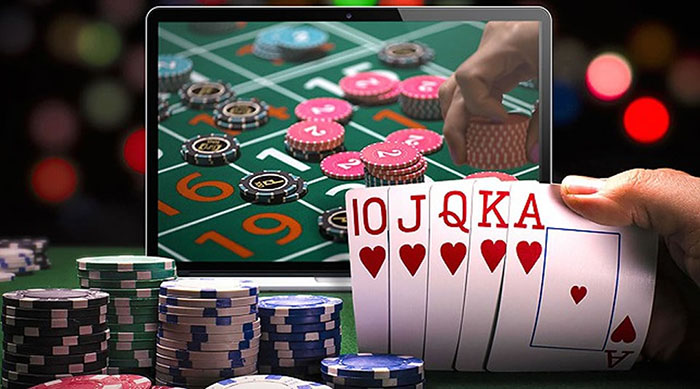
Zodiac Casino exemplifies an online platform that understands the intricate psychology behind gambling. By offering a diverse selection of games, including slots and live dealer options, the casino caters to various player preferences while keeping the experience engaging. Their robust welcome offers and ongoing promotions are designed not only to attract new players but also to keep seasoned gamblers entertained and rewarded.
The platform also prioritizes user experience, ensuring that navigation is intuitive and straightforward. This focus on usability means players can enjoy the thrill of gaming without unnecessary obstacles. Additionally, Zodiac Casino is committed to responsible gambling practices, offering tools and resources that help players manage their gaming habits effectively. By fostering a safe environment, the casino encourages a balanced approach to gambling, making it easier for players to enjoy the experience without falling into unhealthy patterns.
Moreover, Zodiac Casino emphasizes security and regulation, ensuring that players can engage in gaming with confidence. The combination of an engaging platform, commitment to responsible gambling, and a focus on user experience makes Zodiac Casino a premier destination for those looking to explore the exciting world of online gaming. Understanding the psychological factors that drive gambling can enhance players’ enjoyment and help cultivate a healthier relationship with their gaming activities.